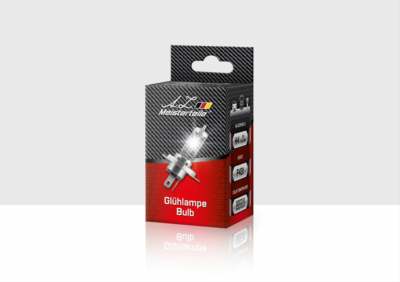
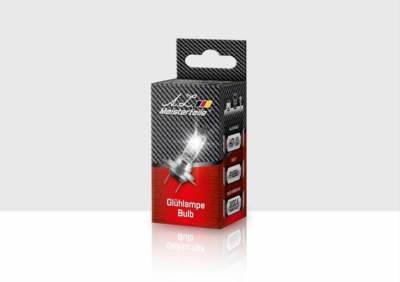
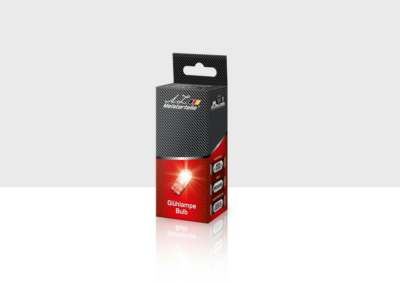
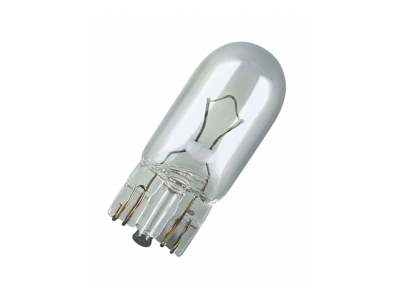
If someone asked what the most important safety feature in a car is, many would probably say: the seatbelt. But there's something just as important, though less visible: the lighting. In this article, we present the key features of vehicle light sources.
Providing proper lighting is not only about seeing well, but also about being seen clearly by others. Traffic safety in general relies on being visible and protecting others as well.
Today, car lighting means much more than just low beams: various bulbs, LEDs, daytime running lights, fog lamps, and indicators ensure visibility and safety in all situations.
What light sources are there in a car?
An average car has at least 10–15 different bulbs or lighting units – and they’re not just for decoration. Let’s look at the most important ones:
• Low beam headlights – essential for driving, especially at night or in rain.
• High beam headlights – can be lifesaving on dark country roads.
• Indicators (turn signals) – a means of communication in traffic, not just design elements.
• Brake lights – give a clear signal to those behind you.
• Position lights / rear lights – indicate a stationary vehicle, mainly at night.
• Fog lights (front and rear) – help in dense fog or heavy rain.
• Daytime running lights (DRL) – mandatory in modern cars, turn on automatically.
In addition to these, there are number plate lights, interior lighting, trunk, glovebox and door lights – and of course, stylish aftermarket ambient lights. Light sources can thus be grouped into those that are useful and those that are absolutely essential.
Bulb or LED? What lights your car?
In the past, all cars used classic halogen bulbs. They’re cheap and easy to replace, but have a shorter lifespan and consume more energy. Nowadays, more and more cars come with:
• Xenon headlights – brighter, whiter light, but more expensive and harder to replace.
• LED lighting – very long lifespan, low energy use, modern appearance.
• Laser headlights – premium technology with incredible brightness (still rare).
Technical inspection and regulations – what you install matters
Many think “a little tuning can’t hurt” – but when it comes to lighting, even in Germany and Austria, you can't just experiment freely. To be road-legal, every vehicle component – including lights – must comply with local and EU regulations.
Non-E-marked bulbs or LEDs (without ECE homologation) = failure at TÜV or §57a inspection (Pickerl)
All lighting units must have official approval – if not, the vehicle won't pass inspection and may even fail a roadside check.
Aftermarket LED bulbs – only legal if they have type approval (ABE or ECE R37/R128)
Non-original LED bulbs often don’t focus properly and can dazzle oncoming drivers – this is dangerous and illegal. In such cases, the police can issue an on-the-spot fine.
Conclusion
Ensuring proper lighting in a car is not just a technical issue – it’s a cornerstone of safety. Whether it’s a daytime running light, a fog lamp, or a simple brake light, every single lighting component plays a role in helping you avoid accidents.
A little attention, regular maintenance, and you’re already driving a bit more safely – for yourself and for others.